
About Us
IRMA is an international consulting company serving clients who promote equitable, risk-informed development and humanitarian action.
Founded in 2015, Integrated Risk Management Associates LLC (IRMA) works with non-governmental organizations, United Nations agencies, governments, donors, and private companies engaged in development and humanitarian action.
Our services include:
- Advisory support for policy, strategy and program development
- Capacity building, including developing guides and tools, designing and delivering training, and facilitating organisational development.
- Innovative, inter-disciplinary research drawing on mixed methods (with in-house expertise in quantitative techniques).
- Technical assistance for quality assurance and accountability, including for monitoring and evaluation.
IRMA has deep experience in all sectors of development and humanitarian action, including food and nutrition, livelihoods, health, child protection, education, WASH, shelter, environment and natural resource management.
As indicated by our name, we also have specific thematic expertise in ‘integrated risk management’, which enables us to advise our clients on strategies to strengthen societal resilience, promote disaster risk reduction and foster climate change adaptation, all of which are increasingly important in our era of complexity and escalating risk.
Founding Partners and Directors
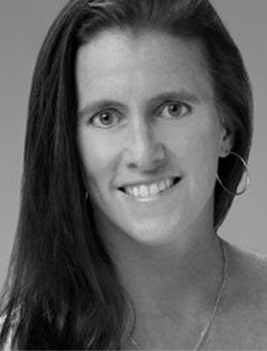
Lezlie Morinière
Building on an academic background in Public Health (Tulane U., 1992) and Climate Science, Lezlie C. Moriniere Ph.D., (U. of Arizona, 2010) has gained an international reputation in disaster risk science, community early warning and climate change adaption. Her experience covers all aspects of humanitarian action, preparedness, resilience and integrated risk management. Lezlie has a long history of evaluating response operations, as well in assessing risk, needs and vulnerabilities.
Always seeking innovative techniques, Lezlie’s passion lies in packaging complex topics for busy or lay audiences, designing mixed/quantitative and applied research and environmentally-induced human mobility (EIM). She conducts at least one multi-country strategic evaluation per year in the humanitarian sector and contributes regularly to response efforts of conflict and natural hazards. Each year, she also teaches Master Level courses in Needs Assessment, Research Methods and Statistics (Andrews University/IDP, 2005 to present), serves on the Africa Risk Capacity (ARC) Technical Review Board and on the ACAPS Roster.
Highlights of her career include: starting the Famine Early Warning System in Malawi (1993-7), developing the IFRC’s Community early warning systems: Guiding Principles, authoring the ACP Compendium of Risk Knowledge(2015) and leading the methods behind the Global Prioritization Exercise for Research and Innovation in the Humanitarian System (Elrha, 2017).
She currently lives between Paris and Tucson (AZ) and is fluent in French and English, with a good working knowledge of Spanish.

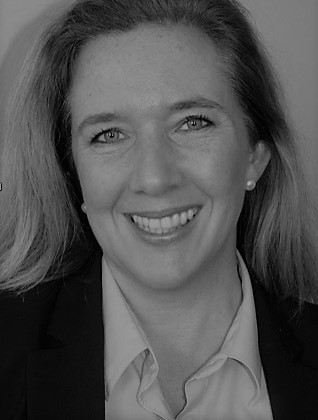
Marilise Turnbull
Marilise holds an MSc in Global Development Management (Open, UK) and an MA in Modern Languages (Oxon.). She has 22 years’ experience in senior management, advisory and consulting roles in the international aid sector. She has designed, implemented and evaluated development and humanitarian programmes in Latin America and the Caribbean, Asia and Africa, including interventions in the sectors of DRR and climate change adaptation; food security and livelihoods; WASH; shelter and housing; education; protection; gender equity; child and youth development.
Marilise has deep expertise in the fields of DRR and Resilience. For over a decade she has been a key contributor to the development of DRR and resilience-building programmes and policies.
Highlights include: Founding Oxfam’s Risk Reduction and Adaptation unit and strategy (2006); publishing Toward Resilience: A Practitioner’s Guide to DRR and CCA (2013) for a consortium of six leading development agencies; producing the UN Status Report on Disaster Risk Reduction for Sub Saharan Africa (2009), and developing the IFRC’s operational guidance for national societies working to strengthen community resilience, Road Map to Resilience (2016).
Marilise is a strong writer, presenter, facilitator and trainer. She works in English, Spanish and French.
Senior Associates
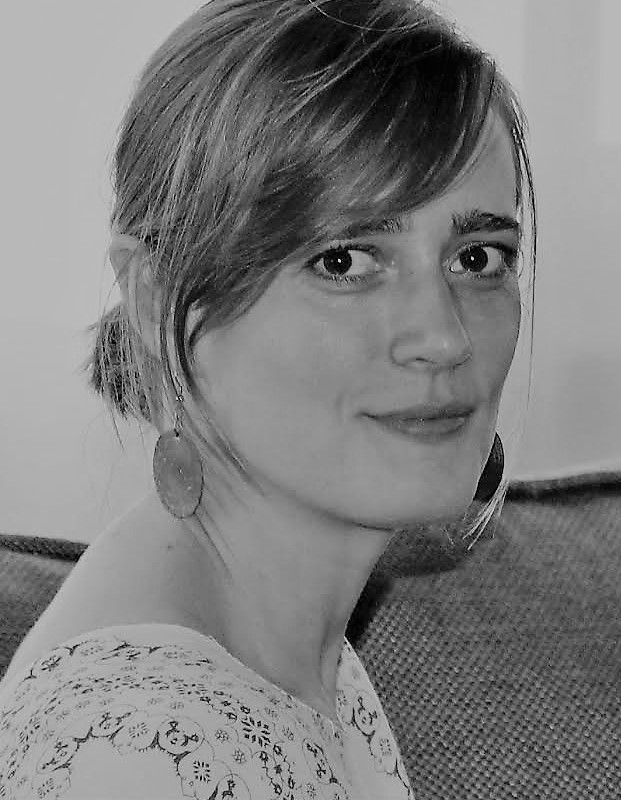
Arielle Tozier de la Poterie
Arielle is an interdisciplinary policy analyst and social scientist with nine years of experience in applied program evaluation and research for disaster risk reduction, science-based early humanitarian action, and climate change adaptation.
Her background studying the relationship between top-down scientific knowledge, bottom-up participatory processes, and program decision-making draws her to assignments that attempt to bridge the often difficult gap between natural and social science and program/policy design.
Whether studying new humanitarian financing mechanisms, horizontal cooperation, or the use of El Niño forecasts in humanitarian planning, she seeks to produce work that straddles the academic-applied divide. Her areas of specific expertise include qualitative research methods, livelihoods analysis, program monitoring and evaluation, participatory methodologies, and climate and weather services.
Arielle holds a B.A. in Anthropology, an M.Sc. in Sustainable Development (Utrecht University, 2011) and a Ph.D. In Environmental Studies (Policy Analysis, University of Colorado Boulder, 2017).
Arielle works in English (mother tongue), French, Portuguese, and Spanish.

Ginna Rakotoarimanana
Soloharitiana Ginna Rakotoarimanana is an expert in governance/management/reduction/financing of risks and disasters, in environment and biodiversity and strengthening community resilience. She graduated from INSCAE (Madagascar) in management sciences, certified in risk management by the World Bank, and currently in a Master’s degree at the University of Antananarivo (DMGRC).
With more than 24 years of experience, she has led numerous evaluations and conducted studies for UN agencies (UNDP, UNDRR, UNESCO, FAO, UNICEF, WFP, UNEP, ILO, the World Bank), international organizations (WWF, IFRC, EU, AFD, KOICA, JICA), with a particular focus on community resilience, early warning systems, nature-based solutions and humanitarian aid.
She is collaborating with IRMA on Early Warning and Forecast-based Financing projects in the countries of intervention of the IFRC. She works in French (mother tongue), Malagasy (mother tongue) and English (fluent in writing, professional in speaking).
Associates
Albanys Cuauro
Albanys is trained in general psychology and psychotherapy (Bachelor degree from Rafael Urdaneta University in Venezuela, Master in Psychotherapy from SEK University in Ecuador).
She has worked in disaster settings, carrying out community projects for affected population and humanitarian workers, during the eruption of the Cotopaxí Volcano and the April 2016 earthquake in Ecuador. In addition, she worked as a social worker at HIAS Ecuador with migrants. Her recent work with IRMA was as Research Assistant, managing the Triage process and conducting key informant interviews with migrants for an evaluation of UNICEF’s CBI Response to the Venezuelan Migrant Crisis.
Albanys is fluent in Spanish and has an intermediate level of English.
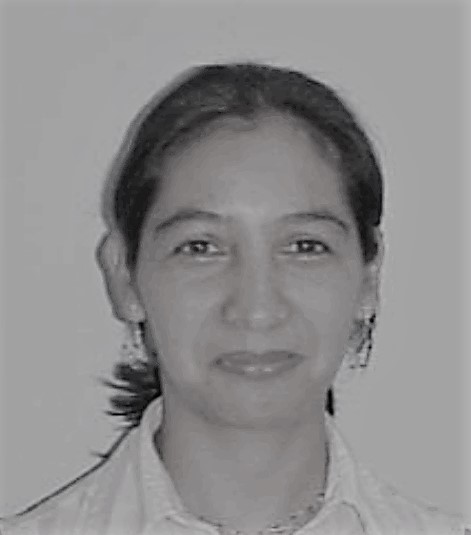
Martha Cifuentes
Martha holds a Bachelor Degree in Social Work (Universidad de San Carlos, Guatemala).
She has 20 years of experience in humanitarian and international development projects with a large range of donor and implementing organizations (including UNDP, OIM, Trocaire, GIZ, Oxfam, Red Cross and CRS) in Guatemala.
She has coordinated, advised, implemented, monitored and evaluated numerous projects at national and local levels. Highlights of her career include the multi-country resilience program ‘Oxfam CA-MEL’ for which she was the Program Officer for Guatemala, implementing the risk management strategy for USAID’s SEGAMIL Food for Peace program, Single Year Assistance Program – SYAP – and Multiple Year Assistance Program under Title II – MYAPs). Her main areas of focus are migration, food security and disaster risk reduction.
As an IRMA National Research Associate, she is currently responsible for the field work component of a consultancy assignment on migration and environment issues for IOM Guatemala.
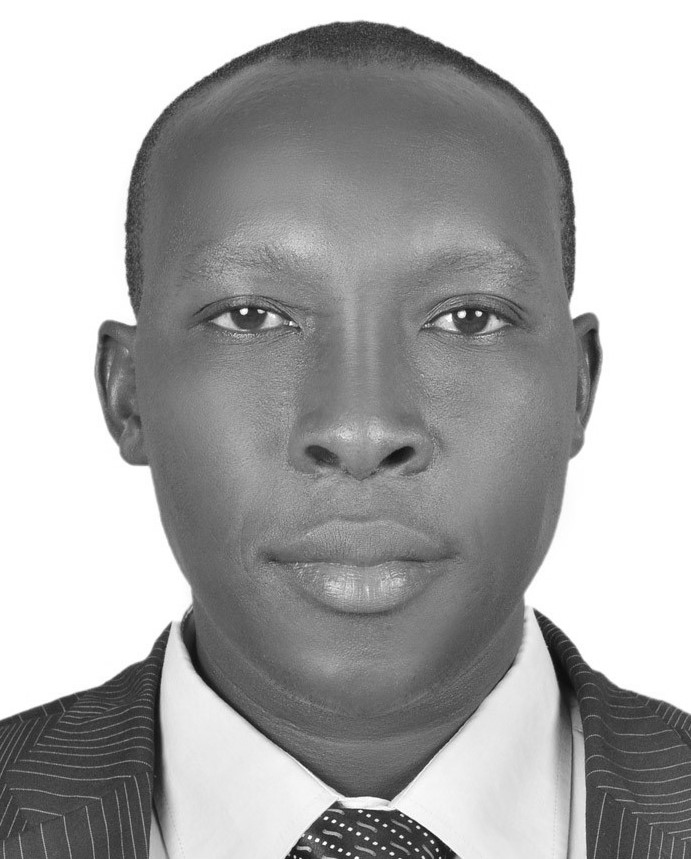
Ale Peter Michael
Peter holds a master’s in International Development Administration (Andrews University, USA) and a bachelor’s degree in Early Childhood & Primary Education (Kampala International University, Uganda). He is a dedicated, results-oriented Programme manager/ coordinator in South Sudan with more than seven years of experience leading projects in education in conflict zones. In 2013, he participated in the humanitarian response to floods in South Sudan.
As a country liaison officer, he successfully mobilized communities to implement Early Childhood and Development Program in Yei County; trained Stakeholders (local authorities, teachers cluster groups, etc.). He has been working closely with national organizations and faith-based organization in humanitarian response and participates regularly in INGO/NGO cluster meetings.
As an IRMA National Research Associate, he led applied research for the Accelerating Localisation through Partnerships Programme, 2018 – 2019.
Andrew Onwuemele
Andrew is based in Nigeria and holds a Master of Science in Rural Development Planning and a PhD of Philosophy in Regional Development Planning. As a Research Fellow with the Nigerian Institute of Social and Economic Research (NISER) in the Environment and Physical Infrastructure Policy Research Department, Andrew has over 10 years of experience in international development as a consultant with a large range of donors (including EU/EC, DFID, various UN agencies, USAID) and across several countries.
His main areas of focus are rural livelihoods & socio-economic analysis, participatory rural appraisal and community needs assessment, poverty reduction strategies, climate change and adaptation strategies among rural households. Andrew is a member of several local and international organizations including Association of Nigerian Geographers (ANG), African Technology Policy Studies Network (ATPS), Environmental Behaviour Association of Nigeria (EBAN), International Association for Feminist Economics (IAFFE) and a Fellow of Network of Earth System Governance. Dr Andrew is regularly attending local and international conferences and has over fifty peered reviewed articles to his credit.
As an IRMA National Research Associate, Andrew led applied research in Nigeria for the Accelerating Localisation through Partnership Programme effort, 2018 – 2019.
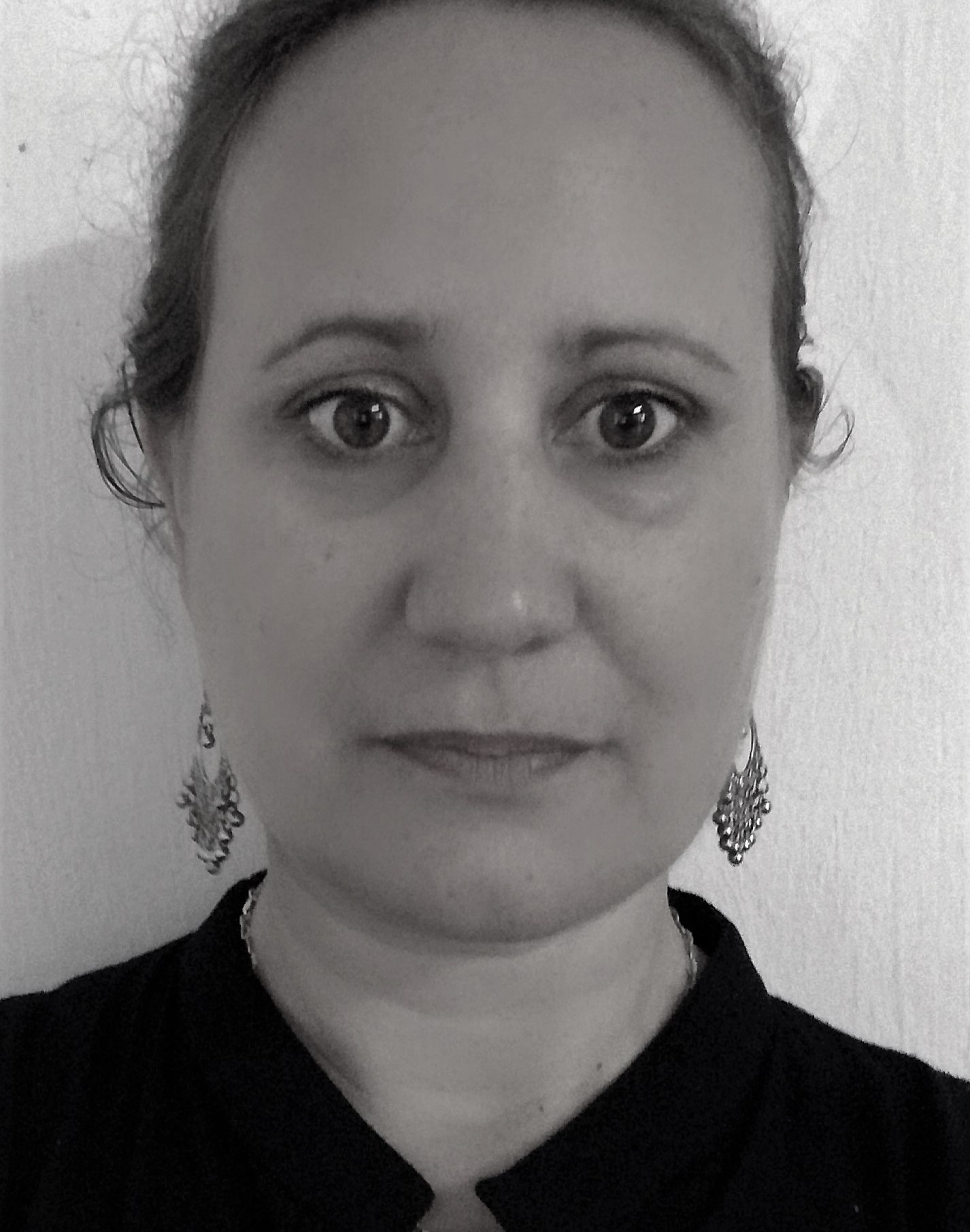
Isabelle Bremaud
Isabelle holds a BSc in Aid and Development (IFAID, France, 1998) and an MSc by Research in Disaster Management (University of Coventry UK, 2001). She has over 22 years of experience as a volunteer, manager, advisor and consultant in the international aid sector and particularly in the fields of Disaster Risk Reduction, Climate Change Adaptation and Resilience.
She has worked in the Caribbean, Latin America, Africa and South East Asia. She has led and supported a diversity of resilience activities and processes – ranging from strategic planning to program design, advocacy activities and evaluations – but her particular interests and strengths are linked to the development of technical guidance for practitioners and capacity development.
Isabelle works in English, Spanish and French. She currently works as the Global Resilience Advisor for GOAL.
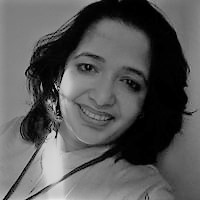
Elora Ferdous
Elora holds a Masters degree in Disaster Management and has 12 years’ experience in management and advisory roles in the international aid sector. Elora is a Disaster Risk Management professional with excellent technical, analytical, and leadership skills. She has played a leading role in the integration of DRM into institutional and organisational strategies, programmes and campaigns, including for Oxfam and UNDP.
Over her career Elora has specialised in gender equity and child protection; her passion is ensuring that humanitarian action is risk- and gender-informed, and that it promotes the active participation of women, men and children. Following a recent move from Bangladesh to Canada, Elora is applying her experience from South and East Asia to new contexts, such as with cross-border asylum seekers and in the national programme of the Canadian Red Cross Society.
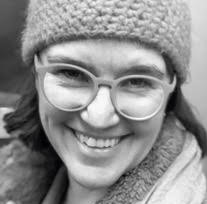
Floor Grootenhuis
Floor is a Dutch/Kenyan artist and consultant who has lived and worked across the world, spending most time in Kenya and Indonesia. She has more than 15 years of experience working with UN organizations including UNFAO and UNWFP, as well as NGOs like Action Against Hunger (ACF), Save the Children, Oxfam, Cash Learning Partnership (CaLP), and the International Federation of the Red Cross (IFRC).
Her main focus has been on participatory monitoring and evaluation, as well as training, grant writing, program management support and strategic planning related to food security and cash-based programming. She is a household economy approach (HEA) practitioner.
With a degree in Human Geography of low- and lower-middle-income countries, she brings in a holistic lens to her approaches. Floor also completed a Masters in Art and Social Practice at Queens College, New York, NY in 2017.
Floor is fluent in English and Dutch and has working knowledge of French, Spanish and Kiswahili.
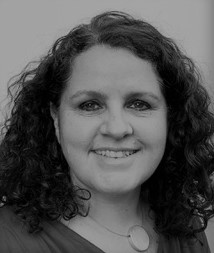
Josephine Hutton
Josephine is a highly experienced and effective senior manager, leader and advisor in development, humanitarian contexts and fragile states. She has over twenty years of experience in programme, strategic and operational leadership and advisory work. She has worked with institutional donors, international organisations, and NGOs in the Middle East, Africa, Australia, the USA, Asia, Eastern Europe, and the Pacific.
Josephine’s specific areas of experience and expertise include: senior and operational management and leadership; strategic, programme, and organisational evaluation, review and development; programme development, management and oversight; humanitarian coordination; policy development; advocacy; review and development of strategic and organizational procedures and systems; change management; and capacity assessment and capacity building; facilitation and public speaking.
Josephine has a BSSc in Socio-Environmental Assessment and Policy, a Graduate Diploma in Education and an MSc in Violence, Conflict and Development.
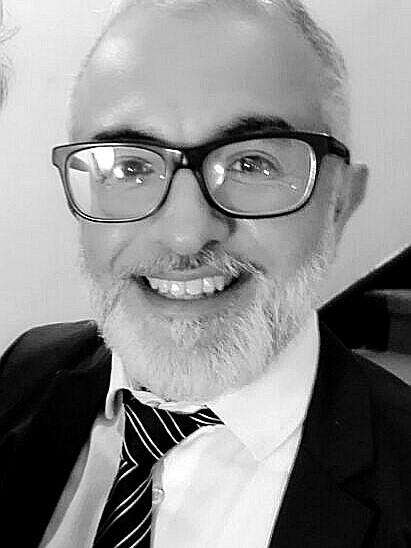
Carlos Mancilla Caceres
Carlos is a Senior expert in international public health with more than 17 years working experience in humanitarian and development contexts in Latin America, Central Asia and Africa. He spent 5 years coordinating, advising and implementing national health programmes, policy and systems, working in HIV, Malaria, MDR TB, epidemic control and management – Cholera, ZIKV-, health promotion, mental health and strengthening primary health care.
For the last 10 years, proven experience in leadership, strategic representation and senior management positions at global and regional level with Doctors without borders, Oxfam and UNICEF, responsible for the strategic design, coordination, monitoring and evaluation of large scale multi-country public health strategies and programmes in developing countries, including high level advocacy and grant management.
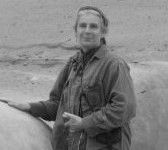
Gail Ryser
Gail has worked in social science research for more than 25 years. She is an anthropologist with specialization in archaeology (paleoethnobotany, economic specialization through material culture).
As laboratory director of multi-year, multi-site archaeological research projects in South America her responsibilities ranged from data management and artifact registration to teaching under-represented groups in the fields of Science, Technology, Engineering and Mathematics. As a licensed archaeologist in Peru, Gail developed an inventory system for artifact integration and collection maintenance that the Intituto Nacional de Cultura of Peru adopted to improve management of the artifacts curated each year from numerous research expeditions. As guest curator she developed and mounted several museum exhibits including the Laboratory of Tree-Ring Research, Arizona State University Museum of Anthropology, Tempe History Museum and the Casa Grande Museum of History.
Gail regularly supports the work of IRMA as a research associate, applying her detail-oriented research skills to help build systematic literature reviews and to classify, catalogue and interpret documented results across many fields within humanitarian action.

Sebastian Serrano
Sebastian Serrano is a humanitarian and development professional with over 20 years of experience across Latin America and Africa, specializing in programme management, MEAL, and policy influencing. He has held coordination and leadership roles with Oxfam, Médecins Sans Frontières (MSF), and most recently served as Head of Sub-Office for the International Organization for Migration (IOM) in Ecuador. He holds a degree in Business Management with a specialization in NGO Management.
Sebastian has led and contributed to multiple evaluations and research initiatives, particularly in disaster risk reduction and emergency response. During the 2016 Ecuador earthquake, he led Oxfam’s MEAL system, introducing mobile data collection with a gender-sensitive approach and producing rapid, evidence-based analysis. His evaluation experience includes an RTE and a Contribution to Change Evaluation in Ecuador, regional emergency programme evaluations in Central America, and consultancies with IRMA for UNICEF’s Cash-Based Interventions in Ecuador and for an NGO consortium in Bolivia.
His fieldwork also includes serving as Interim Programme Manager in southern Haiti, supporting learning dissemination for a post–Hurricane Matthew cash transfer programme. He has worked in Haiti, Ecuador, Bolivia, Nicaragua, and Venezuela, maintaining a strong commitment to humanitarian principles and local capacity strengthening.
A skilled communicator fluent in Spanish, French, and English, Sebastian engages effectively with communities, authorities, donors, and international partners, and has authored numerous analytical reports and policy-oriented publications aimed at improving humanitarian practice.
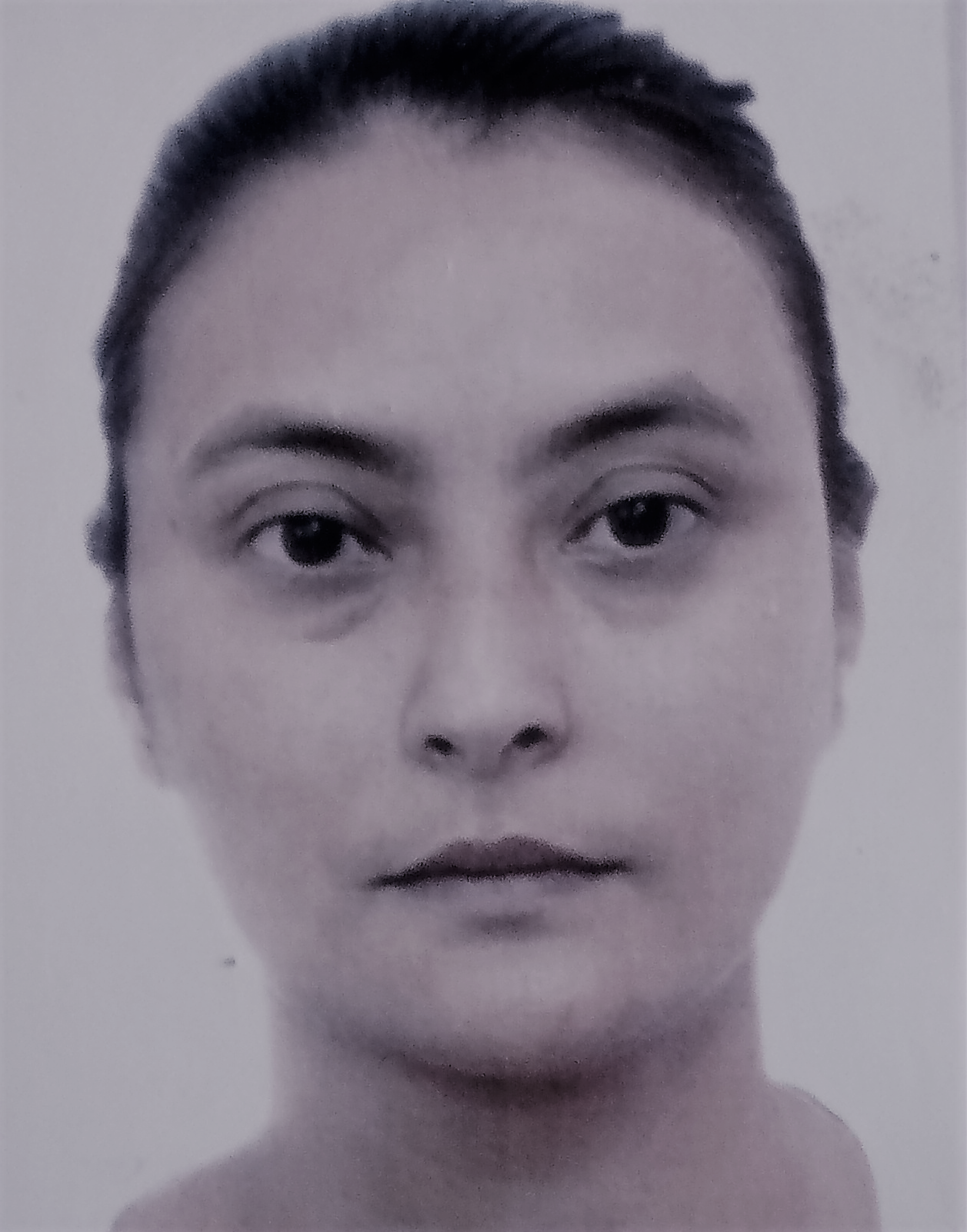
Era Shrestha
Era is a Development and Management Consultant based in Kathmandu (Nepal), with over 15 years of experience working closely with various development agencies and civil society organisations.
Era has been particularly involved in grassroots movements applying rights-based approaches to empower marginalized groups such as women, children, Dalits, people with disabilities and landless people. She has undertaken several studies and assignments on such subject matters as well as emergency relief and disaster recovery programmes.
As an Organisation Development (OD) practitioner, she has supported organisation assessments, monitoring and evaluation, strategic planning, and institutional learning. She has also contributed to developing rights-based programmes and strategies.
Era has worked in Bahrain, Bangladesh, Cambodia, India, Kingdom of Saudi Arabia, Lao PDR, Liberia, Tajikistan, and Sri Lanka. She is fluent in English, Hindi and Nepali (mother tongue).

Crispin Siwamunda
Dr. Crispin Siwamunda is a medical doctor from the Democratic Republic of Congo and an expert in public health and development, with over a decade of experience working in humanitarian and fragile settings across Africa, particularly in the Great Lakes region.
Currently pursuing a PhD in Public Health, he serves as a government consultant in the integration of inclusive health approaches into rural development strategies. His doctoral research focuses on the role of digital health in improving healthcare access in underserved communities to achieve global Universal Health Coverage.
Dr. Siwamunda has led, monitored, evaluated and advised multi-sectoral programs in epidemic preparedness, community response and preparedness to epidemic, HIV response, health system strengthening, peacebuilding, and primary healthcare, working with various national governments in Africa, UN agencies—including UNICEF—and international NGOs.
He recently contributed as an IRMA associate in the West and Central Africa Region (WCAR), supporting regional initiatives.
He is fluent in French, English, Swahili, Lingala, and Kinyarwanda

Samantha Pathirathna
Dr. Samantha Pathirathna is an award-winning entrepreneur and visionary leader in climate-smart agriculture, sustainable tourism, and regional development. Holding a Ph.D. in Economics, an MBA in Management of Technology, postgraduate studies in Economic Development and Corporate Finance, and a B.Sc. in Agriculture, he combines academic excellence with over 20 years of impact-driven experience. As Chairperson of PASS Asia Pvt Ltd and ECO Treats Tourism Pvt Ltd, he leads transformative initiatives across Asia.
A seasoned ADB consultant, tourism strategy advisor, certified evaluator, principal researcher and trainer, and master business coach, Dr. Pathirathna has collaborated with Integrated Risk Management Associates Inc., advancing climate-resilient development solutions through strategic foresight and evidence-based planning since 2012.
Fluent in English, Sinhala, and Tamil, he brings outstanding cross-cultural communication and global consulting experience to every engagement.
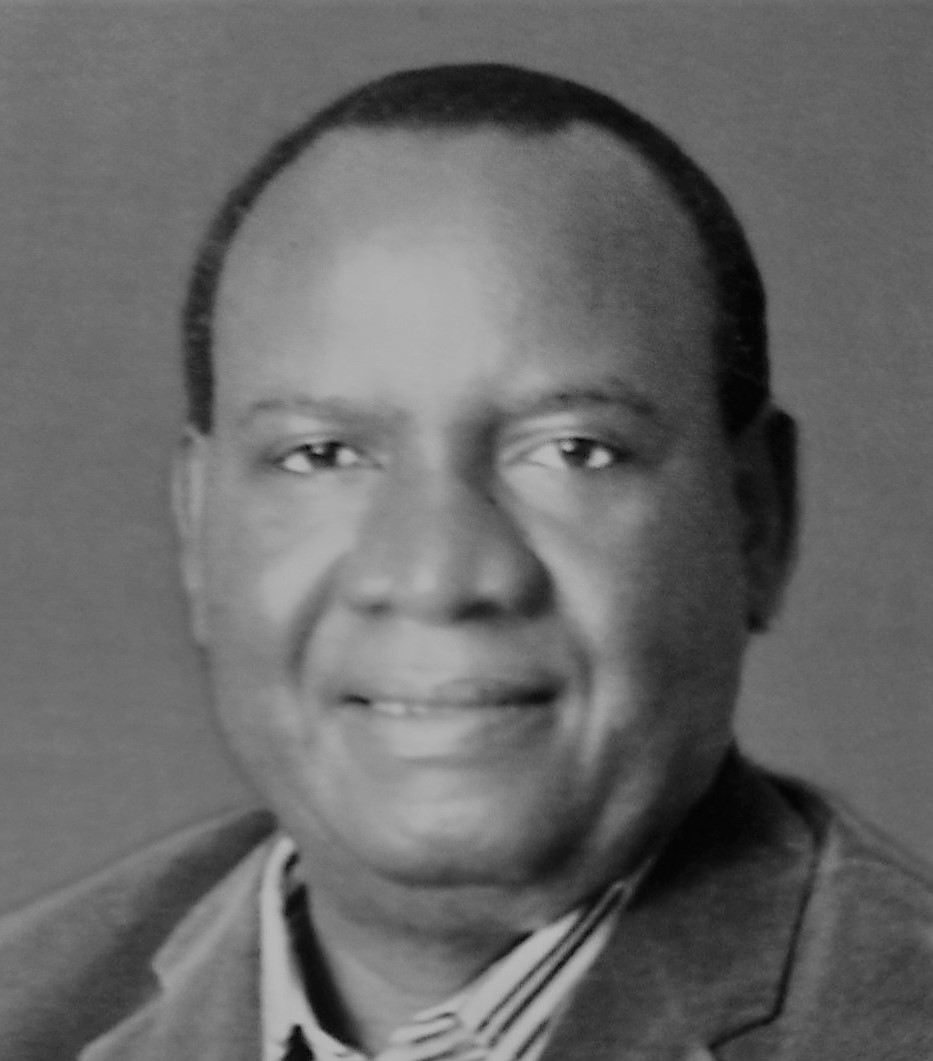
Andrew Gwaivangmin
Andrew Gwaivangmin is a seasoned development professional with over 30 years of experience in development education, capacity building, and organizational development across West Africa. He currently serves as the Executive Secretary of the Nigeria Evangelical Missions Association (NEMA), where he has led the development of the association’s first Institutional Strategic Plan (2022–2025), coordinated national missions awareness programs, and overseen emergency relief efforts, including COVID-19 and conflict-related interventions in Northern Nigeria.
Andrew holds an MSc in Development Education and Training from the University of Wolverhampton (UK), a PGD in Agricultural Development from the University of London, a BSc (Hons) in Agricultural Economics from the University of Ibadan (Nigeria), and a Postgraduate Certificate in Project Planning and Management from the University of Bradford (UK). He is currently completing a Master of Arts in Organisational Development at ECWA Theological Seminary, Igbaja, in partnership with Development Associates International (DAI).
His consultancy portfolio includes strategic planning, evaluations, and capacity building for organizations such as Tearfund, Bread for the World, World Renew, and the Global Fund. Notably, he led the Ebola Virus response in Sierra Leone, coordinated DFID’s Capacity Building for Decentralized Development in Nigeria, and facilitated the development of the Gender Strategic Plan for the Nigeria Labour Congress.
In 2019, Andrew served as the National Research Associate for Nigeria with Integrated Risk Management Associates (IRMA), contributing to the evaluation of the Start Crisis Anticipation Window. His role involved field research, stakeholder engagement, data analysis, and reporting on anticipatory humanitarian action. His work helped shape future crisis response strategies in Nigeria and provided critical insights into the effectiveness of early warning and early action mechanisms.
Andrew is also a published author, with works including *Signs of Hope* (2010), a study on development and interfaith relations in Northern Nigeria. He is fluent in English, Hausa, Creole, and Bogghom, and serves on the boards of several non-profit organizations.
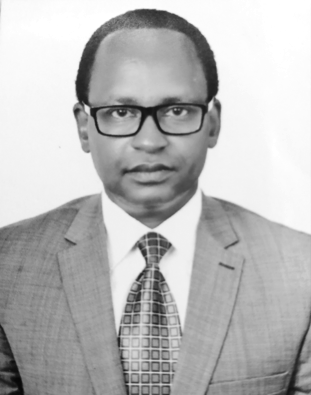
Kitakaya Loisa
Kitakaya holds a Master of Development & Communication Studies (Ohio University) and is an International Ford Fellow. He has more than 20 years of experience working in the humanitarian and development sectors. as an innovative and results-oriented expert supporting organizations and governments across sub-Saharan Africa. He has proven technical expertise in international development cooperation focusing on capacity building and facilitation, EU-EDF procedures, project cycle management and results-based/performance management and communications.
Kita has demonstrated expertise in needs assessment, project design, operational planning, key performance indicators, data management methodologies, risk assessments, evidence-based protocols, and performance optimization. Above all, Kita has the proven ability to design and oversee quantitative and qualitative research studies to evaluate programmes and projects. Versed in leading-edge data collection, aggregation, and analysis technologies. Readily deliver data-driven insights into programme impacts and predicted outcomes.
With IRMA, Kita has contributed to the Save the Children Anticipatory Action research in Somalia and Kenya (2023) and the DRR ACP Mid-term Evaluation (2018). Since 2017, Kita has served with IRMA’s founding partner, Lezlie Moriniere, as co-Chairpersons of Africa Risk Capacity’s Technical review Committee (TRC).
Kita is fluent in Swahili, Maa and English and has an intermediate level of Arabic.
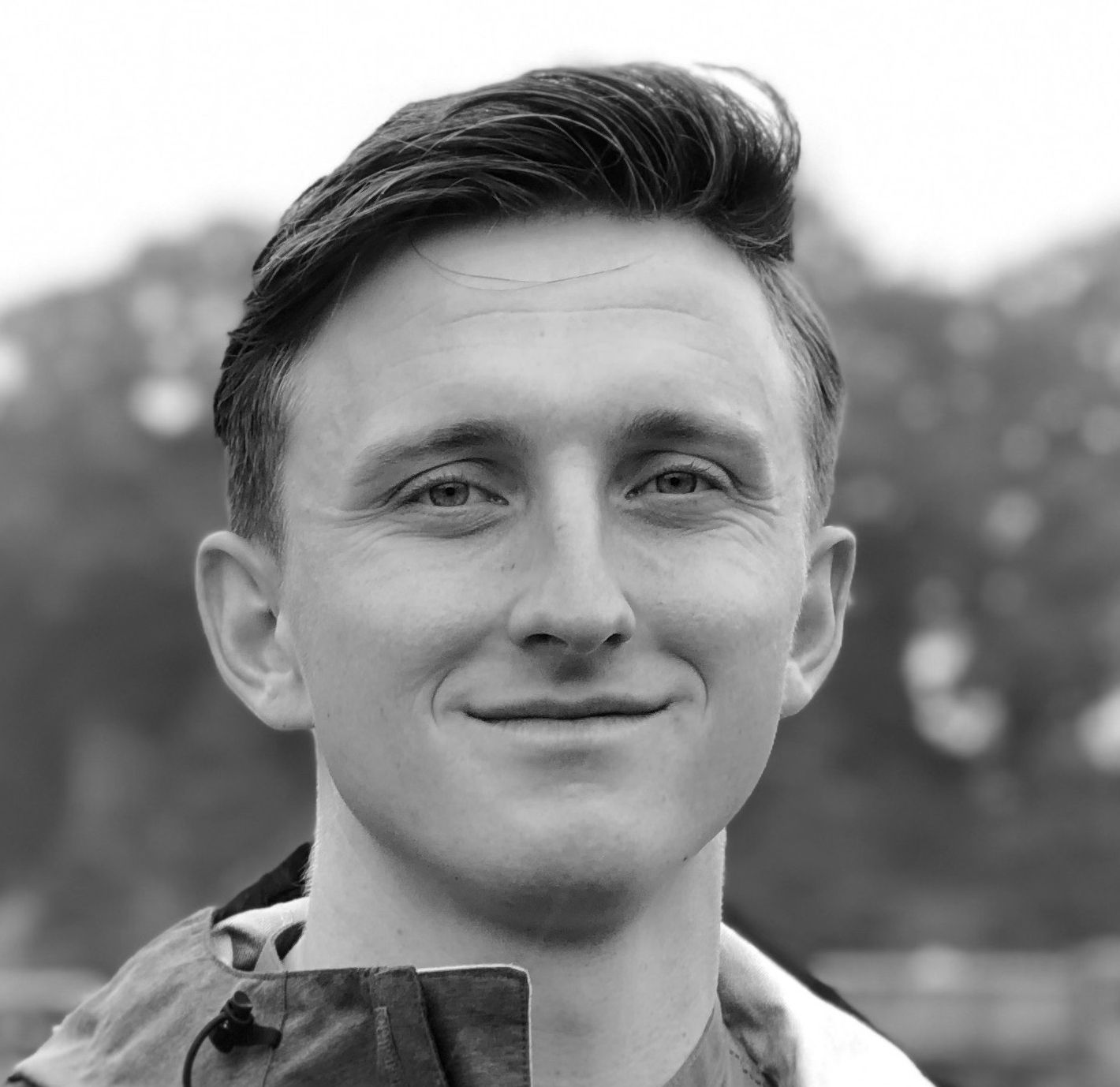
Chandler Smith
Chandler has a bachelor’s degree in Global Politics from Cal Poly, San Luis Obispo, and is a Coverdell fellow and Development Practice master’s candidate at the University of Arizona. He has worked in development both in Southeast Asia with the U.S. Peace Corps and in Uganda as the Director of Communication Management for an education NGO. Employed as a Coverdell assistant with IRMA, Chandler also works as a refugee mobility researcher at the University of Arizona.
Chandler has experience in program development and implementation, mixed-method research, corporate and nonprofit communications, and workshop facilitation. His main areas of interest are climate adaptation, natural resource management, disaster risk reduction, climate migration, and rural education.
Chandler is fluent in English and has a working knowledge of Thai and Lao.
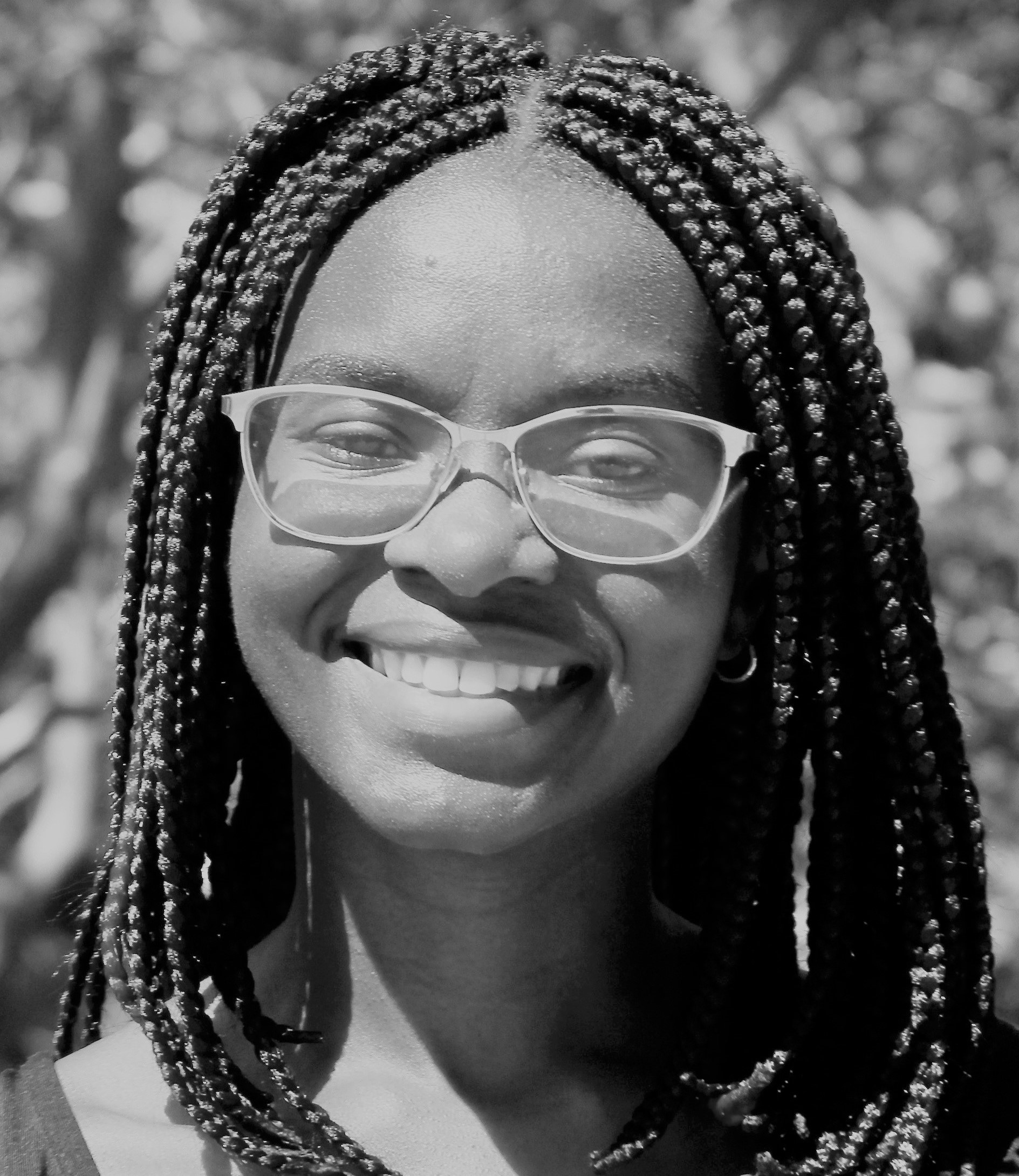
Sehdia Mansaray
Sehdia Mansaray is a Sierra Leonean-American development practitioner with over 8 years of experience in qualitative research, project design and implementation, project management, and program evaluation. Her areas of focus in rural livelihoods, food security, and conservation, are centered in community empowerment through equitable and inclusive decision-making processes.
Sehdia has applied these interests internationally through ethnographic field work on protected area management and value in Guatemala; agroforestry extension with farmers, students, women’s groups, and local extension agents in Senegal; and, through program support to humanitarian and environmental organizations in the United States.
She is currently pursuing a master’s in Development Practice at the University of Arizona and holds a B.S. in Environmental Science and B.A. in Anthropology from North Carolina State University.
Sehdia is fluent in English, French, and Wolof and has working proficiency in Spanish and Krio.
Anjelica Montano
Anjelica studied pre-med at the University of Minnesota Rochester, obtaining a Bachelor of Science Degree in Health Sciences. She is currently enrolled in a Master of Development Practice program, University of Arizona.
Her experiences studying alternative forms of medicine in Japan and India, and then serving as a Healthcare Advisor in the Peace Corps in Madagascar, have guided her towards working with women and health. She is particularly interested in research on how perspective, resource allocation, and environment impacts individual and collective health.
During her service with the Peace Corps, Anjelica worked with development projects such as PSI, CRS, CAID, CRMF, and Marie Stopes in the areas of Water, Sanitation, and Hygiene (WASH), Maternal and Child Health and Nutrition (MCHN), Malaria Initiatives, and Family Planning. She completed a Peace Corps Partnership Program (PCPP) grant to build a maternity ward for the local hospital and supported community-level prevention, early care-seeking, and treatment of malaria.

Carlos Villatoro Ordóñez
Carlos Villatoro is a Honduran environmental engineer with a Bachelor’s in Environmental Engineering (Universidad Católica de Honduras) and a Master’s in Disaster Risk Management (University of Alicante). He has over seven years of experience in international cooperation and humanitarian action, working with organizations such as Ayuda en Acción, GOAL Global, and IRMA.
His work has focused on climate resilience, disaster risk reduction, water governance, and strengthening livelihoods for vulnerable populations. Carlos has led the formulation, implementation, and monitoring of projects funded by major donors, coordinating multicultural teams and fieldwork across Latin America, Africa, and Europe.
Since 2024, he has collaborated with IRMA as a Research Assistant and currently as BDM, contributing to evaluations and research for UN agencies and NGOs. His working languages are Spanish (native) and English (fluent), with basic knowledge of French.

Ambre Caillot
Ambre holds a bachelor’s degree in Biology from Sorbonne Sciences in Paris and a master’s degree in Ethology, the science of animal behavior. Based in France, she has worked on wildlife research projects both in captivity and in the wild across Africa. Her expertise focuses on the intersection of biodiversity conservation, climate change, species adaptation, and animal welfare.
Since 2023, she has collaborated with IRMA on several initiatives, including the integration of biodiversity and animal welfare considerations into disaster risk management policies across Africa, Asia, and Europe. Her work covers a wide range of animals, from domestic pets and livestock to working animals and captive wildlife. She has also contributed to broader efforts, such as anticipatory financing plans in African countries. Ambre works primarily in English and is a native French speaker.

Florence Copigneaux
Florence Copigneaux is a French and Canadian humanitarian professional with a strong academic background in public health (M1, Nancy University) and business administration (MSc, HEC Paris). She has over 15 years of experience in project leadership, human resources, and finance across diverse humanitarian settings in Asia, Africa, and the Middle East, with a particular focus on the health sector.
Florence is also a skilled and creative facilitator, delivering management training both online and in person. Since 2018, she has collaborated with IRMA as a researcher on various initiatives and also served as a consultant for a learning review in Lebanon. She is fluent in French and English and has a working knowledge of Arabic. Florence is currently based in Lebanon.

Isimbi Sebageni
VRAA Associate and nomadic scholar based in East Africa, with lived experience across nine countries. Isimbi holds a Bachelor’s in Social Science from Glasgow Caledonian University and a Master’s in Gender from the University of London (SOAS). She is currently pursuing a PhD in International Relations at USIU-Africa in Kenya.
Her research focuses on gender in the Global South, particularly women’s experiences in reproductive health and conflict settings. Professionally, she has worked with IRMA conducting research, drafting reports, and handling administrative tasks. She has also worked in humanitarian spaces, advocating for diaspora engagement and inclusion.
A passionate researcher at heart, she is driven by work that challenges norms and amplifies marginalized voices. Her working languages are English. Whether through academia, policy work, or grassroots activism, she is committed to bridging knowledge and action for meaningful change.

Nathan Ferguson
Nathan holds a BA from Durham University in Theology. His brief career post university has taken him from Westminster, where he worked for a Baroness, to Argentina, where he worked in a school. He has been working at IRMA alongside these other experiences, and hopes to continue to work in the consulting sector in the future. During his time working for IRMA, he has particularly enjoyed his work on a Strategic Review for the Norwegian Refugee Council. He has native English proficiency, as well as basic Spanish.

Ahmed Elmi
Ahmed Elmi holds a Master’s degree in International Public Policy and a Master’s degree in International Relations and Diplomacy. He also holds a Bachelor’s degree in Development Studies, forming a strong academic foundation for his work in research, global policy and development.
With over a decade of experience in program management, Ahmed brings extensive expertise in research, non-profit management, and policy development and evaluation. He has worked with several esteemed international organizations, including World Vision and Health Poverty Action, where he played a key role in driving impactful development initiatives across the region.
Ahmed has served as the Communications Hub Manager for the Somaliland Development Fund, overseeing strategic communications and stakeholder engagement. As an independent researcher in East Africa, he has contributed to numerous relief and development projects, providing deep insights and evidence-based recommendations to enhance program outcomes.
In collaboration with IRMA, Ahmed has participated in a range of initiatives, including impact evaluations, proposal writing, business development, and research-related activities, showcasing his versatility and commitment to high-quality development work. He speaks English, Arabic, and Somali.

Lutece O. Cannelle
Lutece has an M.A in Social Justice/Community Organizing and a B.A in Environmental/Marine Studies.
Her career includes time spent at Prescott’s Kino Bay Center, a field station in Mexico, where she observed by boat the islands, estuaries, oyster farms, and shrimp aquaculture. She inspected various gear used and its environmental impacts, and she went on shrimp trawlers to observe and take notes on by-catch. She also sighted and documented marine mammals and tagged sea turtles.
She traveled to Belize to conduct research on the effects of climate change on coastal communities and lionfish, which involved data collection and scuba dives. She is a certified PSO and trained in site inspection and monitoring activities to identify and document the presence of protected species in designated areas.
Lutece is collaborating with IRMA on an evaluation project—RESEMBID. Her role includes reviewing reports, assisting with research tasks, and evaluating marine projects on-site in the OCTs.
Her working languages are English and French.

Rachel Hinkel
Rachael is an Epidemiologist specializing in violence and injury prevention, with experience in global health and disaster risk reduction. She holds a bachelor’s degree in Kinesiology from Occidental College and a master’s in public health (MPH) with a concentration in Epidemiology from the University of Arizona. She has contributed to international public health efforts in West and Southern Africa, partnering with local health workers, ministries of health, and communities to advance maternal and child health, communicable disease prevention, and cancer research.
As a Coverdell Fellow at the University of Arizona, Rachael supported IRMA’s research initiatives relating to disaster risk reduction, climate change adaptation, displacement and migration, and humanitarian response. She collaborated on projects for various U.S. foundations, UN agencies, and international NGOs, and served as a Graduate Teaching Assistant for IRMA’s Disaster Risk Management course at the Institut d’études politiques de Saint-Germain-en-Laye.
Rachael currently oversees local-level epidemiologic surveillance of injury and violence in Southern Arizona, guiding prevention strategies and informing policy. Rachael is fluent in English and has a working knowledge of French.

Borja A. Cuervo
Borja Cuervo has 23 years of experience (280 person-months) in primary healthcare services (HIV, malaria, MCH, immunization) and in strengthening health systems’ resilience to multi-hazards. He specializes in bridging policy design with field implementation while ensuring client-tailored capacity building. His work includes partnering with national governments, multilateral and bilateral donors, UN agencies, CSOs, and regional bodies. As an implementer, donor advisor, and evaluator, he has developed actionable strategies for disaster preparedness and climate-linked disease management.
He holds an MSc in Public Health, a Master’s in Humanitarian Aid, and a Master’s in Law. Fluent in English, French, Spanish, and Portuguese, he holds Spanish and Mozambican citizenships and brings 19 years of on-the-ground experience living in Algeria, Angola, Jordan, Mauritania, Mozambique, Rwanda, and Zimbabwe, and conducting assignments in 26 countries. He has expertise in equity of access to primary healthcare, HIV/SRH services, malaria control, disaster preparedness, and health systems resilience to outbreaks and climatic events.
