
Learning Evaluation of Oxfam’s Program in Puerto Rico
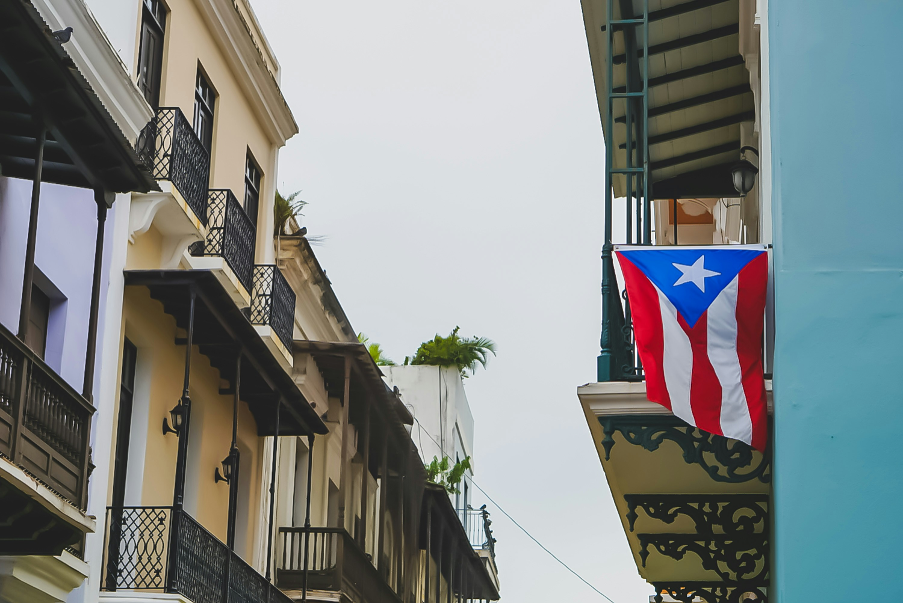
In 2017, Hurricane Maria devastated Puerto Rico, destroying an estimated 300,000 homes and exposing long‑standing inequalities linked to the island’s political status and chronic underinvestment in essential services. In response, Oxfam America launched a program implemented entirely through local civil society organizations, supporting emergency relief, recovery, and longer‑term work on gender justice, disaster risk reduction, […]
Strategic Support to Oxfam in Algeria’s Country Strategy
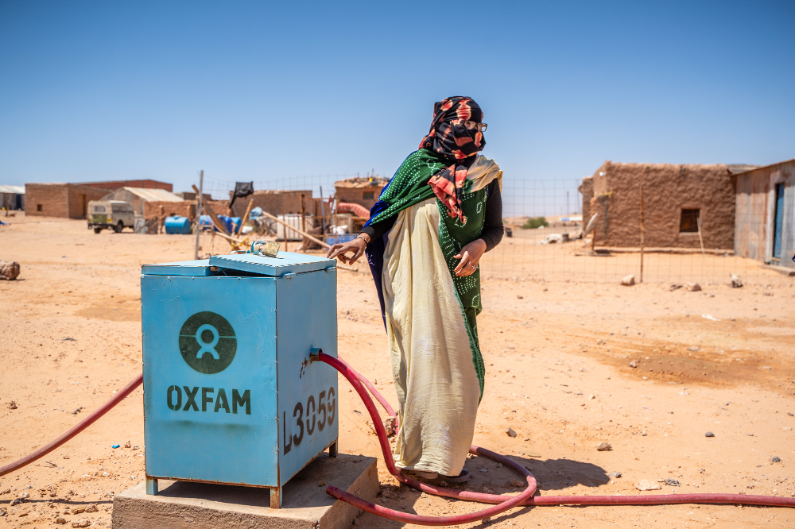
In 2025, Oxfam in Algeria launched a new strategic planning process to guide its work with Sahrawi refugees over the period 2026–2030. Oxfam has worked in the Sahrawi camps since 1975, combining humanitarian assistance with resilience programming, advocacy, and capacity development in a context of protracted displacement and chronic underfunding. Oxfam commissioned Integrated Risk Management […]
Strategic Evaluation and Learning Partner for MACP’s Disaster Relief and Recovery Team
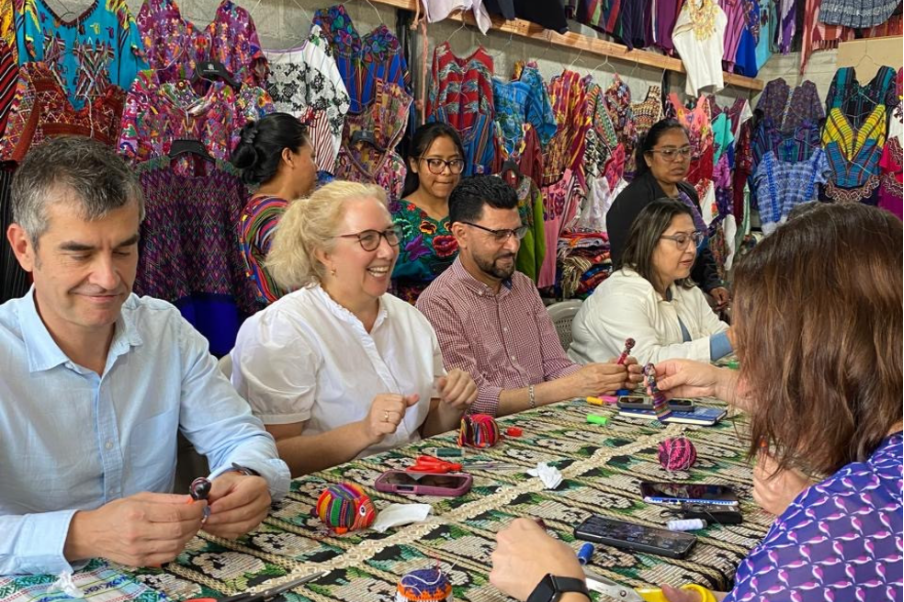
Since 2016, Integrated Risk Management Associates (IRMA) has supported the Margaret A. Cargill Philanthropies’ Disaster Relief and Recovery (DRR) Team as part of its Evaluation and Learning (EL) Partnership. This long-term collaboration helps MACP and its grantee partners strengthen disaster risk reduction and response by using evidence, reflection and shared learning to guide strategy and […]
Cayman Islands Resilience Index (CIRI)
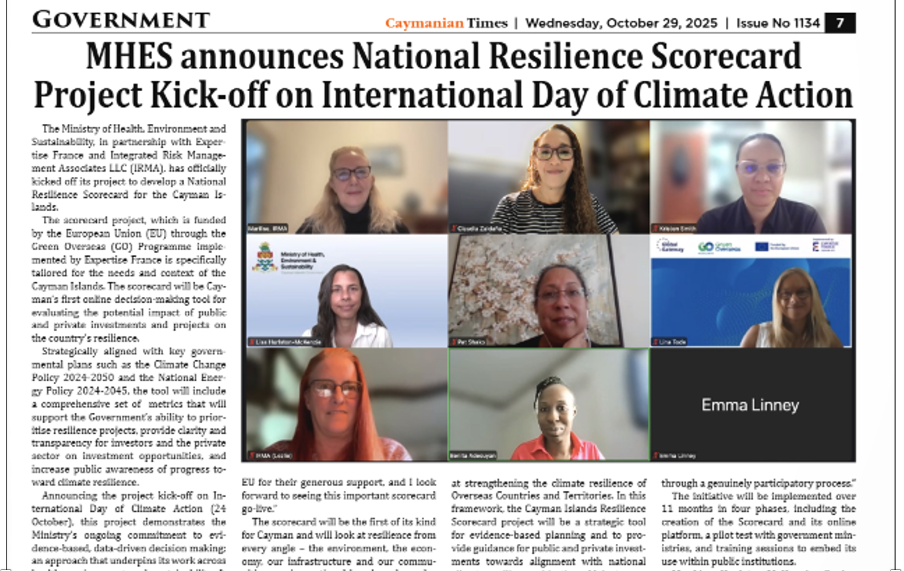
IRMA is working within the EU-funded Green Overseas (GO) Programme, implemented by Expertise France, to design and operationalize a national Resilience Index for the Cayman Islands. The purpose of the Cayman Islands Resilience Index (CIRI) is to enable the government to transition to resilience-focused planning and budgeting across sectors and ministries. CIRI will provide greater […]
Climate Resilience and Risk Planning for Saint-Barthélemy
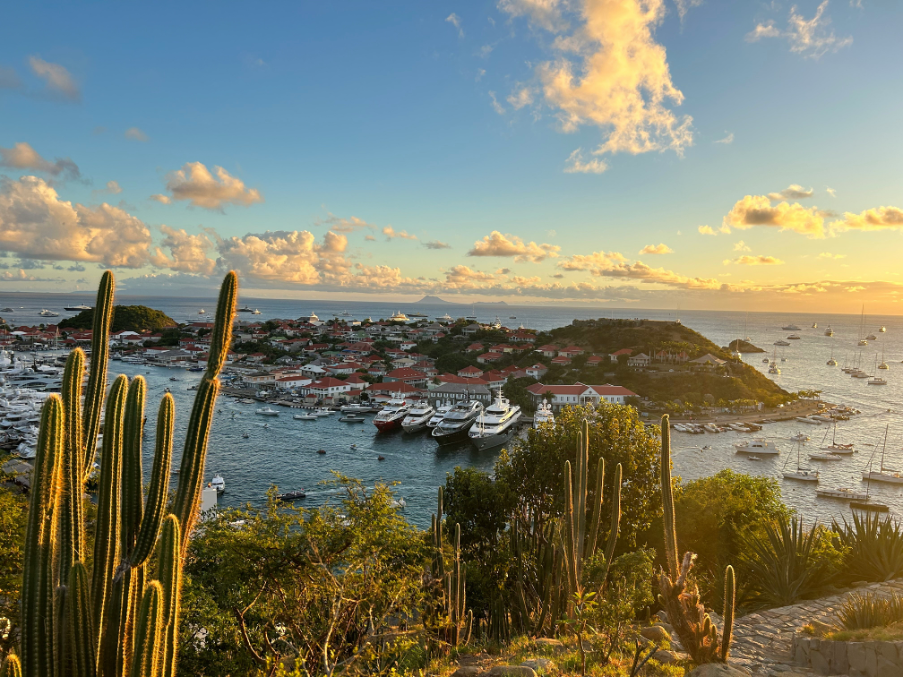
Under a European Union technical assistance project implemented by Cowater International, IRMA is contributing senior expertise to support Saint-Barthélemy in advancing climate change adaptation and disaster risk reduction. The 2-year assignment focuses on generating robust, actionable analysis and planning tools for local authorities to better understand and manage climate-related and disaster risks. Purpose Provide high-level […]
Review of Anticipatory Finance Landscape in Iraq for UNDRR
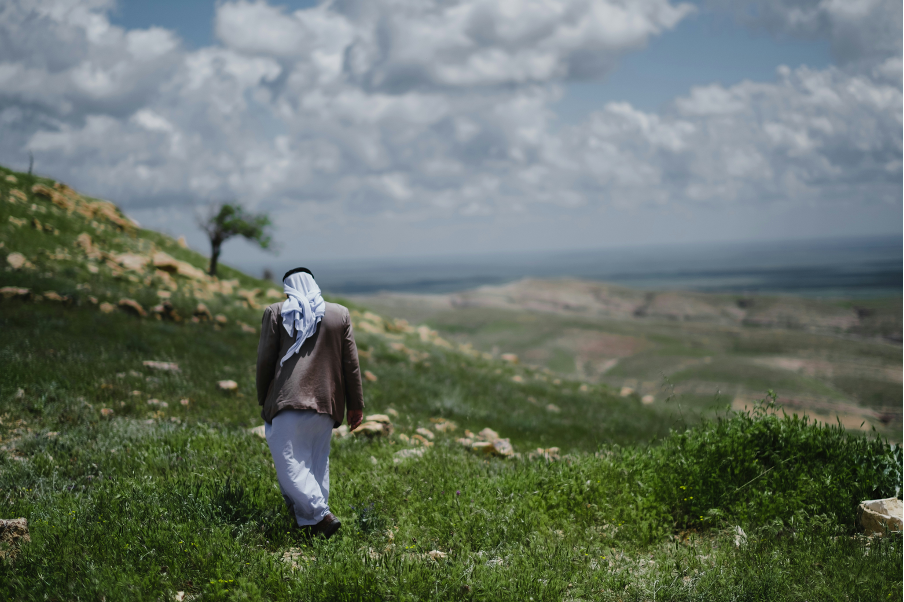
In 2025, the United Nations Office for Disaster Risk Reduction (UNDRR) engaged Integrated Risk Management Associates (IRMA) to review the policy, legal and institutional environment for anticipatory finance in Iraq, in collaboration with the World Food Programme (WFP/Iraq). The assignment aimed to consolidate existing evidence and map how national laws, strategies, institutions and financing mechanisms enabled or […]
Final Evaluation of the RESEMBID Programme for Caribbean Overseas Countries and Territories

The Resilience, Sustainable Energy and Marine Biodiversity (RESEMBID) Programme, a EUR 39.6 million EU‑funded initiative implemented by Expertise France under the 11th European Development Fund (EDF 11), was created to help 12 Caribbean OCTs (Anguilla, Aruba, Bonaire, British Virgin Islands, Cayman Islands, Curaçao, Montserrat, Saba, Saint Barthélemy, Sint Eustatius, Sint Maarten, and Turks and Caicos […]
DG ECHO Disaster Preparedness Toolkit
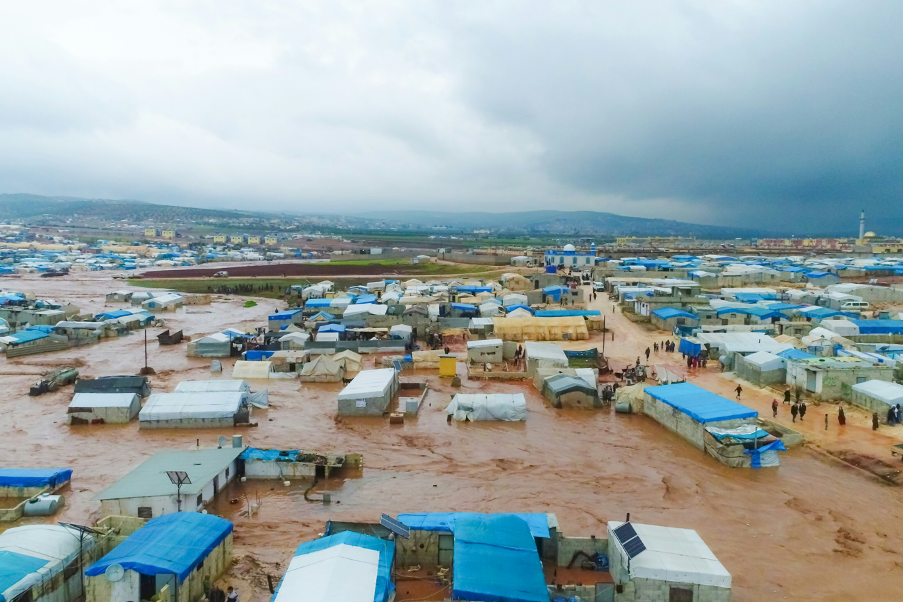
Within the INSPIRE consortium led by Groupe URD, IRMA developed core components of DG ECHO’s Disaster Preparedness (DP) Toolkit to guide future preparedness funding, programming and learning. The toolkit was designed to help DG ECHO and its partners improve the quality, timeliness and risk-informed nature of humanitarian response by strengthening preparedness across its portfolio. Purpose […]
Disaster Preparedness Mapping for DG ECHO

In 2024–2025, the European Commission’s Directorate‑General for European Civil Protection and Humanitarian Aid Operations (DG ECHO) contracted INSPIRE+/Groupe URD, working with IRMA, to provide technical assistance on disaster preparedness (DP) mapping in support of its Disaster Preparedness Guidance Note. The assignment focused on developing practical tools to understand how disaster preparedness is financed within DG […]
DRR School Toolkit for PIROI in the Southwest Indian Ocean

For PIROI–French Red Cross, IRMA updated and enriched a disaster risk reduction (DRR) pedagogical toolkit for primary and lower-secondary schools across the Southwest Indian Ocean. The assignment strengthened child-centred DRR education in line with the Comprehensive School Safety Framework (CSSF) and IFRC’s Red Education initiative. Purpose Modernize the existing Eco-Schools DRR-IO toolkit (created in 2018) […]
